
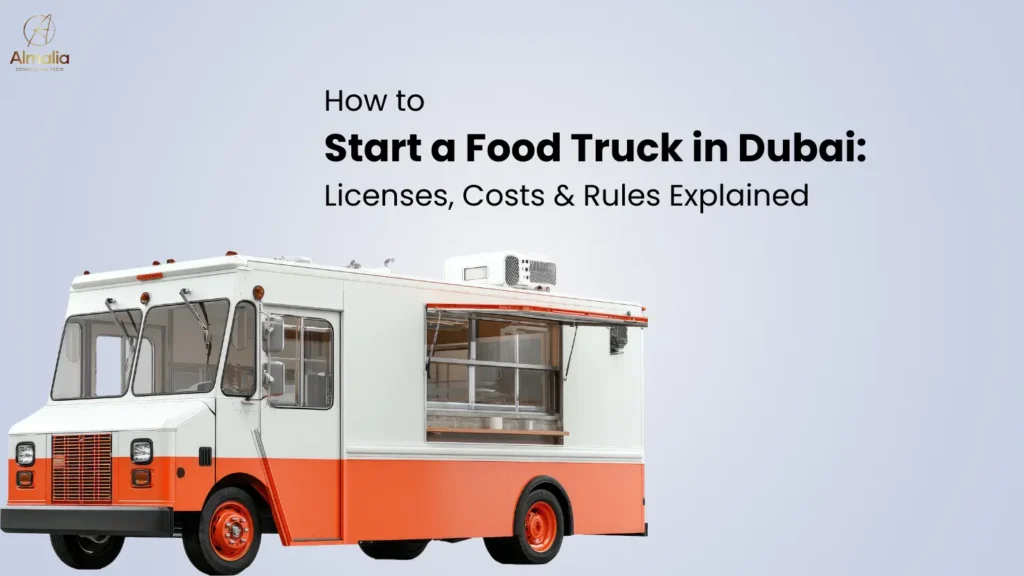
How to Start a Food Truck in Dubai: Licenses, Costs & Rules Explained
The food truck business setup in Dubai has reshaped the city’s food and beverage landscape. What began as a niche idea has matured into a profitable, flexible, and highly visible startup business setup in Dubai—especially for entrepreneurs seeking lower entry costs and faster go-to-market. With a booming tourism sector, diverse customer base, and strong regulatory frameworks, starting a food truck in Dubai can be a smart, scalable move—when done compliantly.
This complete guide explains how to start a food truck business in Dubai, covering licenses, business setup costs, approvals, and legal rules required for smooth operations.
Why the Food Truck Business Is Thriving in Dubai
Dubai offers a powerful ecosystem for business setup in UAE, particularly for mobile F&B concepts. High-footfall zones, food festivals, beaches, business districts, and tourist hotspots create consistent demand for quick, quality dining.
Key growth drivers:
-
Lower startup costs vs. restaurants
-
Mobility and flexible operating locations
-
Faster company formation in Dubai timeline
-
Strong demand for international & fusion cuisines
-
Outdoor dining and pop-up culture
For founders entering F&B without heavy overheads, food truck company formation in Dubai is a practical entry point.
Step 1: Choose the Right Business Jurisdiction
To operate legally, you must select the correct jurisdiction as part of company registration in Dubai. In most cases, a Mainland license is required because food trucks operate in public spaces and move between locations.
Mainland advantages for food trucks:
-
Operate across Dubai and other Emirates
-
Participate in events, exhibitions, and festivals
-
Serve customers directly in public areas
This makes Dubai – mainland Company formation the preferred route for most food truck businesses.
Step 2: Obtain the Food Truck License in Dubai
A valid food truck license in Dubai is issued by the licensing authority under the Department of Economy and Tourism, alongside approvals from Dubai Municipality.
Typical licensed activities:
-
Mobile food unit
-
Food preparation and F&B trading
Operating without a proper Dubai business license can result in fines, suspension, or closure—even for temporary setups.
Step 3: Mandatory Approvals for Food Truck Business Setup
Because food safety and public health are involved, food truck business registration in Dubai requires multiple approvals:
-
Dubai Municipality – Food Safety Department
-
Vehicle modification & inspection approval
-
Civil Defense (fire safety systems)
-
Location & parking permissions
Your food truck business setup in Dubai must meet strict standards for hygiene, ventilation, water storage, waste disposal, and temperature control before operations begin.
Step 4: Food Truck Vehicle Requirements
A food truck is a mobile kitchen. Dubai Municipality enforces technical and safety specifications for every food truck company formation in Dubai, including:
-
Stainless steel food prep surfaces
-
Separate storage for raw and cooked items
-
Commercial refrigeration/freezers
-
Clean & waste water tanks
-
Fire suppression and safety equipment
-
Clear branding and license display
Any vehicle modification must be approved before final inspection.
Step 5: Food Truck Business Setup Cost in Dubai
The food truck setup cost in Dubai depends on cuisine type, scale, and vehicle condition.
Estimated cost heads:
-
Trade license & government approvals
-
Vehicle purchase or conversion
-
Municipality inspections & food safety approvals
-
Staff visas & labor cards
-
Equipment, branding, and initial inventory
Compared to restaurants, business setup cost in Dubai for food trucks is moderate—making it attractive for startups.
Step 6: Staffing, Visas & Compliance
Even a small food truck must comply with UAE labor laws as part of business setup services in Dubai:
-
Employment visas
-
Health cards & food-handling training
-
Medical fitness certificates
-
Payroll & WPS compliance
All food handlers must complete mandatory training before working in a food truck in Dubai.
Step 7: VAT & Corporate Tax for Food Truck Businesses
Tax compliance is often overlooked early. However, company formation services in Dubai should always include tax planning.
Key obligations:
-
VAT registration UAE once turnover crosses the threshold
-
Proper invoicing & VAT return filing UAE
-
Corporate tax compliance based on profits
-
Accurate bookkeeping & records
Non-compliance can trigger penalties and impact profitability.
Step 8: Choosing the Right Locations
Location strategy directly affects success. Popular zones for a food truck business in Dubai include:
-
Business districts
-
Beaches & promenades
-
Events & food festivals
-
Tourist hotspots
-
Designated food truck parks
Each site may need additional permissions—plan your movement strategy in advance.
Common Mistakes to Avoid
Founders often rush learn How to Start a Small Business in UAE without planning. Avoid these mistakes:
-
Operating without full approvals
-
Ignoring food safety rules
-
Underestimating setup & compliance costs
-
Weak location strategy
-
No accounting or tax planning
Early diligence saves time, money, and legal trouble.
Final Thoughts
Starting a food truck business setup in Dubai is exciting, but success depends on correct company formation, licensing, compliance, and tax planning. With the right approach, your food truck can grow from an idea into a recognizable brand across the UAE.
Professional business setup consultants in Dubai can simplify approvals, manage compliance, and help you launch faster—so you can focus on creating food customers love.
Read These Additional Blogs to Expand Your UAE Business & Compliance Knowledge
-
DUNS Number in UAE – Meaning, Benefits & Application Process
-
Golden Visa Benefits in UAE – Eligibility, Advantages & Validity